
Why Not “Just” a Logo?
Every once in a while, I’ll get an inquiry from someone who says, “I really just need a logo.”
And I get it.
If you’re starting a new business, a logo can feel like the obvious place to start. Especially when you’re working with a startup budget, it makes sense to want to keep things simple and get the essentials sorted first.
But here’s the thing: starting with just a logo can sometimes end up costing you more in the long run.
How? Well, let’s say you’ve asked for just a logo. Here’s how it usually goes.
You’ve got your logo! Now where are you supposed to put it?
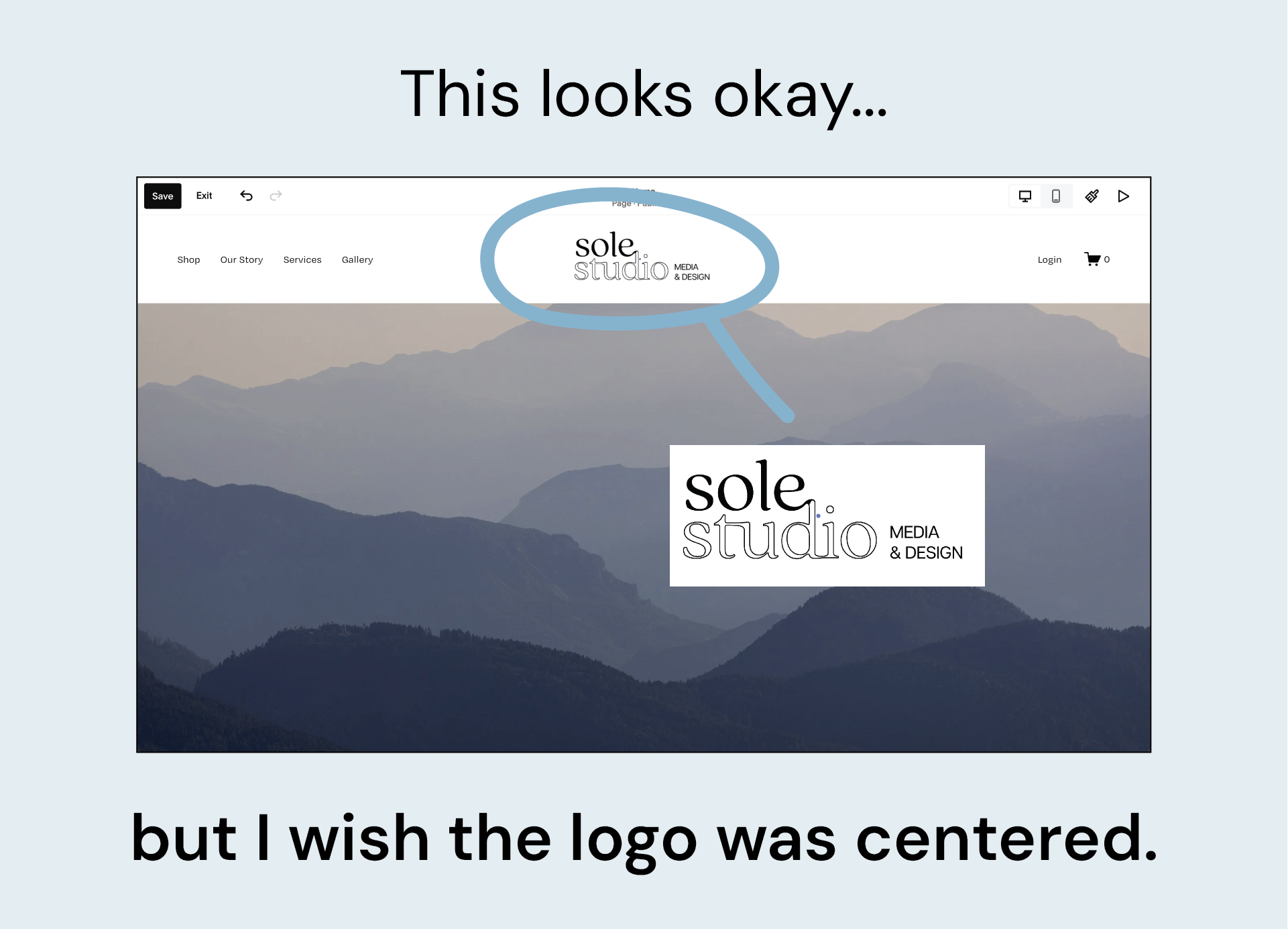
You get your shiny new logo and go to put it on your website.
Except… it doesn’t quite work.
Ok how about social media?
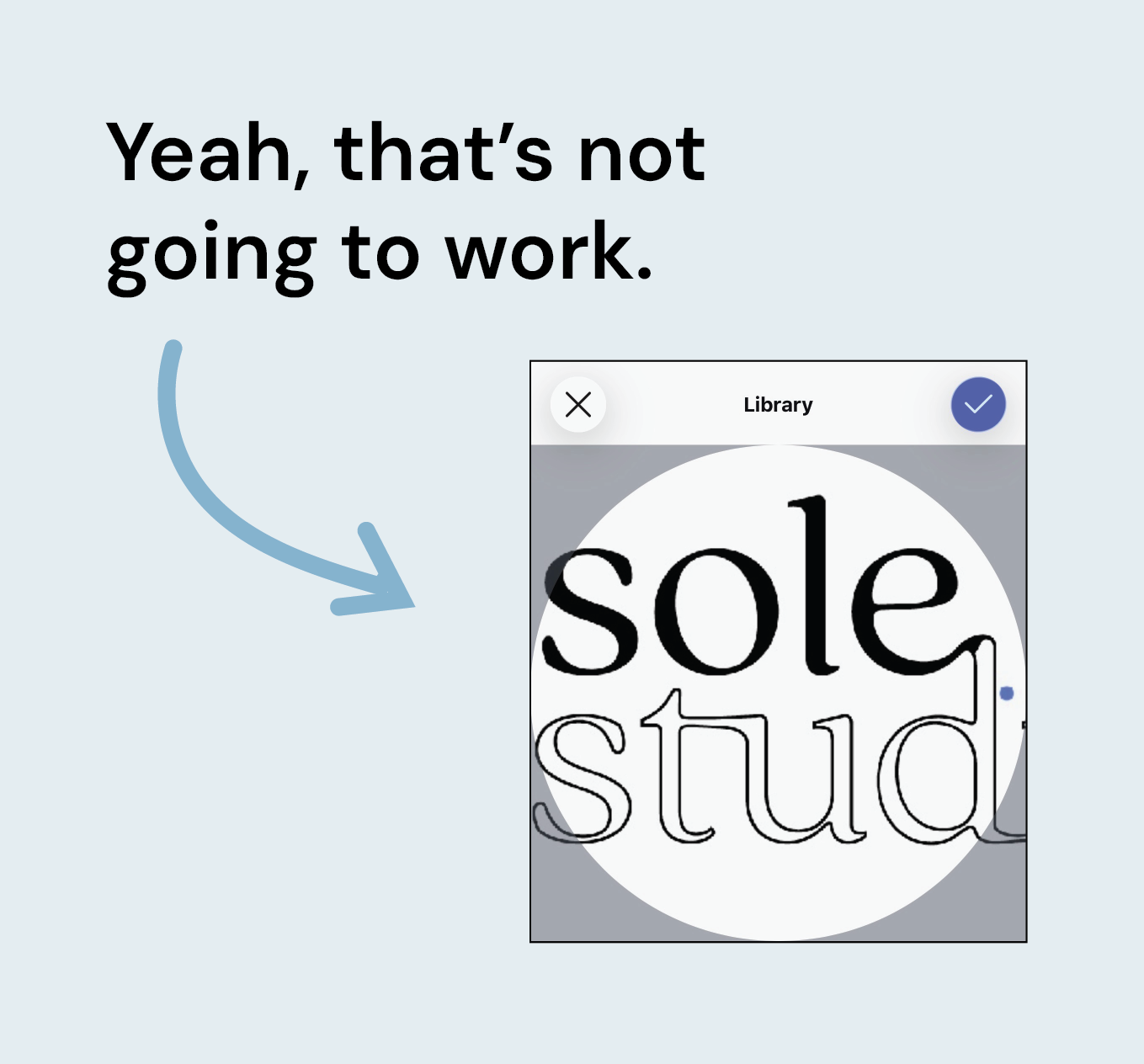
Maybe it’s too horizontal for your Instagram profile picture. Or left-aligned when it should be centered. Or too small. Maybe it gets tiny in your website header. Maybe you need a small icon for your favicon. Maybe it looks great in one place but completely disappears somewhere else.
So you come back and ask:
“Can you make me a version that fits here?”
And now you need another logo.
This is why I don’t really think of a logo as one single file. Your brand is going to live in a lot of different places, and your logo needs to be able to adapt to those spaces.
That might mean having a primary logo, an alternate or stacked version, and a smaller logo mark or icon depending on what your business needs.
It’s much easier to figure that out at the beginning than to keep patching things together later.
Okay, but what about everything that isn’t the logo?
Lets decide you want to make a flyer.
Great! You open Canva, add your logo… and then stare at a blank page.
What colours should you use?
Which font?
Should the headline be bold or understated?
What does your brand actually look like when the logo isn't sitting there in the corner?
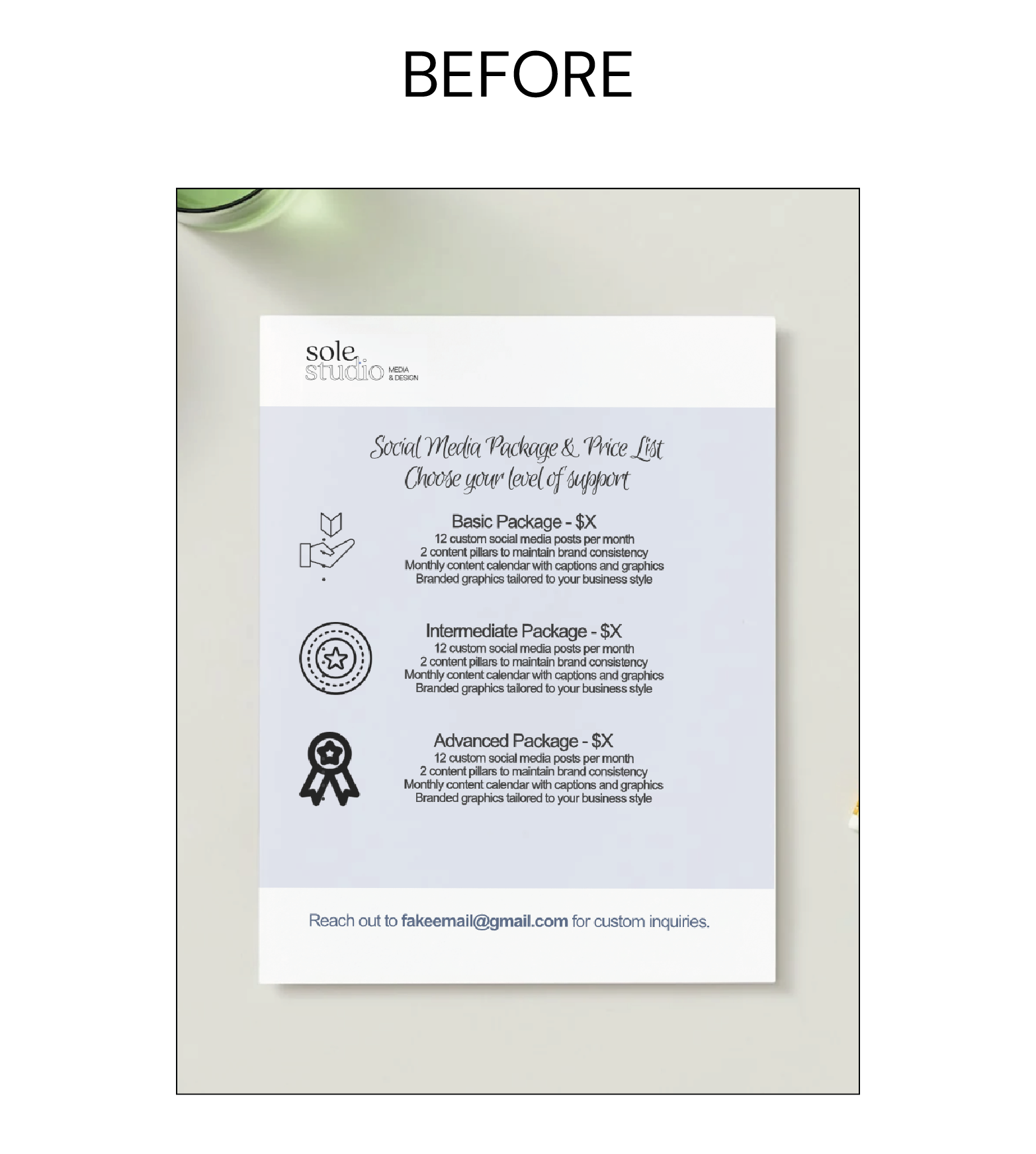
So maybe you pick a colour you like and a font that looks nice. And there's nothing technically wrong with it.
But it starts to feel a little… generic. Because the logo was designed, but the rest of the visual language was never really established.
More importantly, how do you apply this to business cards and other materials in the future?
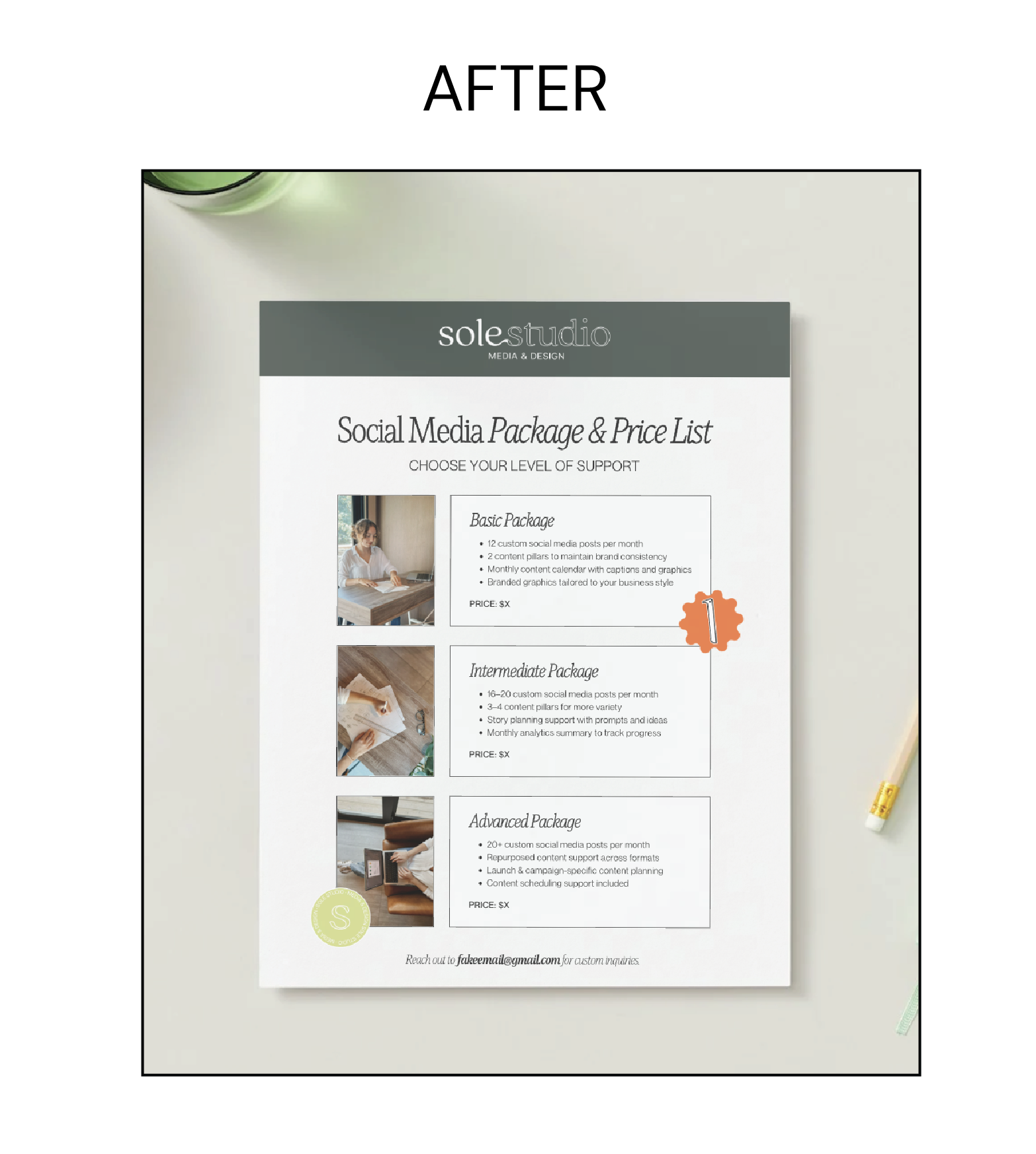
Now compare that to having your logo, colour palette, typography, and a few basic visual elements already figured out.
Suddenly, putting together that same flyer is much easier.
You have a starting point. You know which colours belong to your brand. You know which fonts to reach for.
You have different logo variations to work with. You have some idea of what your photography, layouts, graphics, and overall visual style should feel like.
And suddenly, it actually starts to feel like your business.
Your brand has to work without the logo, too.
This is probably one of the biggest differences between having a logo and having a brand. Your logo isn't going to be the largest thing on every single piece of content you create. Sometimes it might be tiny. Sometimes it might not be there at all.
Think about some of the brands you recognize immediately. You probably don't need to see their logo to know who they are.
You recognize their colours.
Their typography.
Their photography.
Their layouts.
Their visual details.
Their overall look and feel.
That's the goal.
Your logo should be part of your brand (not the entire burden of carrying it!)
This is why I start with more than a logo.
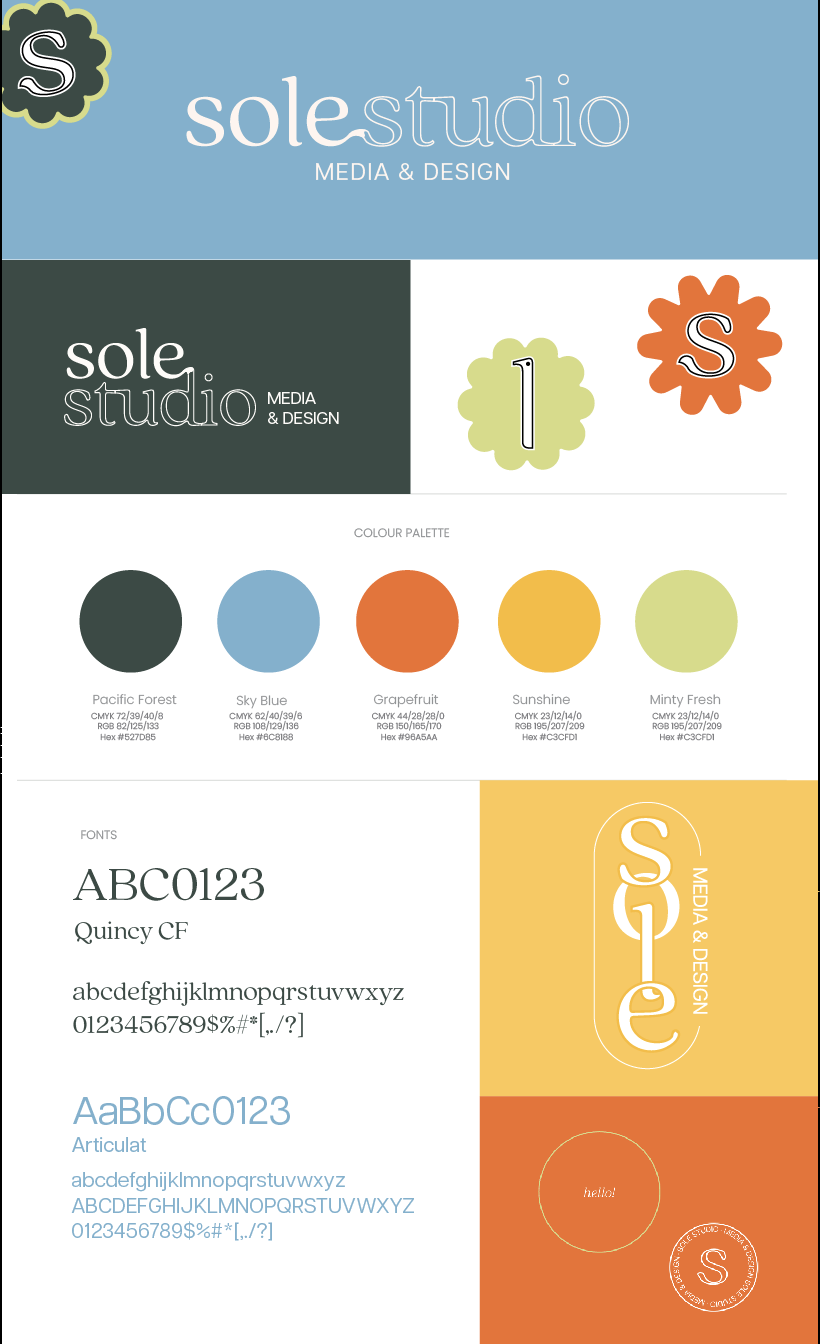
Now, does every small business need a 40-page brand guidelines document?
No.
But I do think every business deserves a solid foundation to start with.
At a minimum, that usually means:
A primary logo
Alternate logo variations
A logo mark or icon where appropriate
A colour palette
Typography
Basic visual direction
A simple stylesheet that pulls everything together
Think of it as your brand's blueprint.
You don't necessarily need a massive rulebook telling you exactly how to use your logo in every possible situation. You just need to know what your brand is made of and have the pieces you need to actually use it.
From there, some businesses will want to build out more detailed brand guidelines, social templates, packaging, signage, photography direction, or other brand applications.
But you have somewhere solid to start.
So, can you get away with just a logo?
Technically, yes.
But if you're already investing the time and money into creating a visual identity for your business, it's worth thinking about what you're actually going to need once that logo leaves the design file and enters the real world.
Because your logo isn't going to live in isolation.
It's going to live on your website, your Instagram, your business cards, your invoices, your signage, your packaging, your presentations, your Canva templates, and probably about a hundred other places you haven't thought of yet.
And that's where having the rest of the pieces starts to make a difference.
That's why I don't just design logos. I design the pieces that help your business actually show up.
Ready for a fresh start?
Whether you're starting your business from scratch or feeling like your current brand no longer reflects where your business is headed, I'd love to chat.
If you're curious about what a branding project could look like for your business, get in touch and we can set up a free discovery call to talk through what you're looking for, what you actually need, and provide you with a custom quote.
